
UNDRR engagement at COP29
Combating drought and desertification
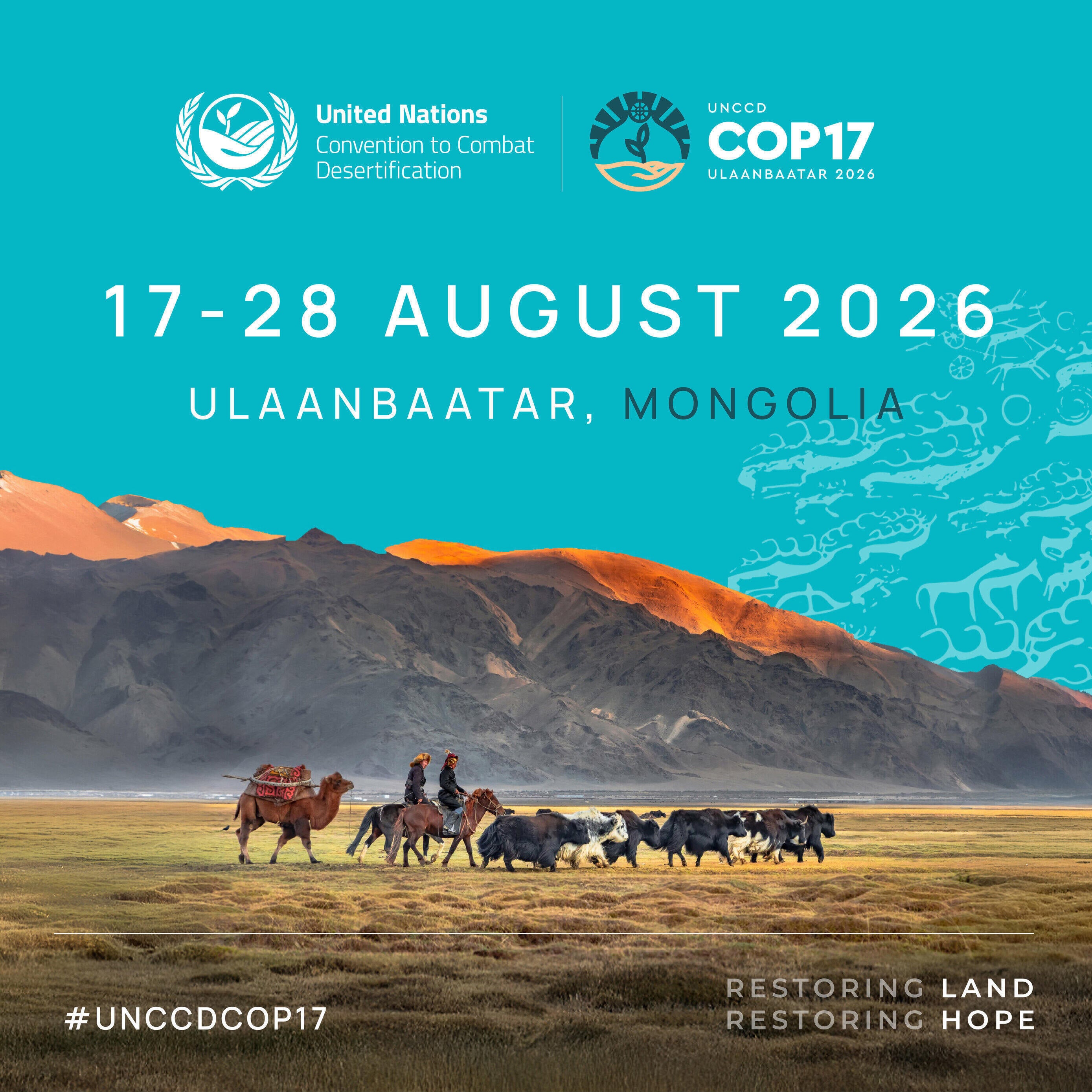
17 - 28 August 2026
UNDRR at COP 17
Land degradation, drought, climate change, biodiversity loss, and disaster risk are interconnected challenges.
UNCCD COP17 is a critical opportunity to move from managing drought and desertification crises to reducing their risk. Restoring land, protecting ecosystems, investing in early warning systems, and integrating disaster risk reduction into development planning can deliver resilient communities, resilient economies, and resilient landscapes.
Together, the Sendai Framework and the UNCCD provide a roadmap for preventing tomorrow's disasters while securing sustainable development today.
The 17th meeting of the Conference of the Parties (COP17) to the United Nations Convention to Combat Desertification (UNCCD) comes at a time when land degradation and drought are increasingly affecting economies, food systems, water availability and livelihoods across regions.
Drought is a complex hazard and needs systemic action
While it is impossible to control the occurrence of droughts, the resulting impacts can be mitigated through proactive risk management. Drought affects interconnected systems, including water, agriculture and food security, energy, ecosystems, public health, supply chains and livelihoods. Disruptions in one system can cascade across others, such as water scarcity reducing agricultural and energy output, disrupting supply chains and increasing pressure on ecosystems and public services. Governments must transition from sector-by-sector crisis response to integrated drought risk management that anticipates cascading impacts.

Ecosystem-based approaches are critical for arresting land degradation and desertification
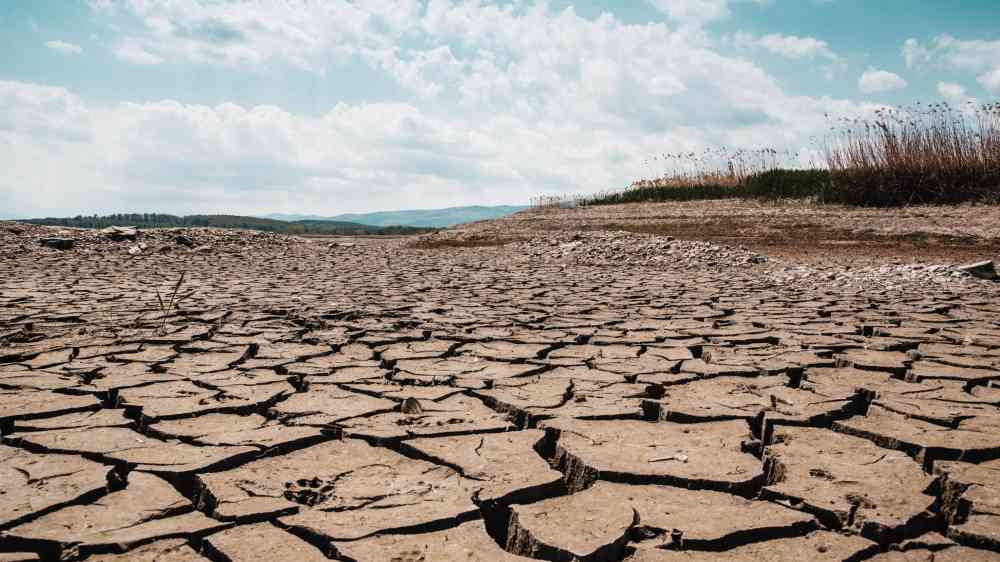
Degraded land increases the likelihood and impacts of droughts, floods, sand and dust storms, wildfires, and displacement. Avoiding, reducing, and reversing land degradation is therefore a disaster risk reduction investment, not only an environmental objective. Healthy soils, forests, rangelands, wetlands, and dryland ecosystems protect communities by regulating water flows, reducing erosion, enhancing productivity, buffering climate impacts, and reducing disaster risks.

Early warning systems must reach vulnerable dryland and highly exposed communities
Countries with more comprehensive multi-hazard early warning systems have over six times lower disaster-related mortality. Early warning systems should be strengthened for drought, sand and dust storms, wildfire, among others, and linked to anticipatory actions that can reduce impacts. This includes social protection systems and pre-arranged financing.
Moreover, warnings must be actionable and reach all at-risk communities. The Early Warnings for All initiative provides an important entry point for drought risk data and forecasting, risk communication and anticipatory action.

Understanding risk ensures investments strengthen resilience
There is a growing call for more finance and investment in land restoration and building resilient to drought. However, such investments should reduce, not create, future vulnerabilities. This can be achieved by ensuring that that public and private investments, particularly for land-use planning, water management and resilient infrastructure development, are guided by a full understanding of climate and disaster risks.

Drought resilience must be shaped by those most affected
Drought impacts cascade across sectors and addressing them requires whole-of-society engagement. Smallholder farmers, pastoralists, women, and dryland communities often face the highest exposure to drought and land degradation. Their knowledge and leadership should be central to resilience policies.
Key enablers
UNDRR events at COP17
| Event | Day | Date | Time | Venue |
|---|---|---|---|---|
| Aligning Agendas: Biodiversity, Land Degradation, and Loss & Damage in the Climate Context | FRI | 21 AUG | 18:00–19:30 | MET-02 |
| This side event explores how ecosystem-related Loss and Damage—including soil degradation, biodiversity decline, and the loss of ecosystem services—can inform practical, investable solutions for land restoration, drought resilience, and the protection of livelihoods, water, and food systems. Using FRAME-ECO, a methodological framework to assess ecosystem-related Loss and Damage developed by UNEP, UNDRR, and UNU-EHS, the session will identify ways to embed ecosystem evidence in national monitoring, planning, reporting, and financing, while strengthening alignment across the Rio Conventions and the Sendai Framework. Panel • Fruzsina Straus, UNEP, Head of Disaster Risk Reduction (Moderator) • Batbayar Shurenchuluun, State Secretary of the Ministry of Environment and Climate Change, Government of Mongolia • Karl Frederick-Paul, UNRC in The Gambia • Animesh Kumar, UNDRR, Head of UNDRR Office in Bonn • Doreen Lynn Robinson, UNEP, Deputy Director of the Ecosystems Division • Yvonne Walz, UNU-EHS, Head of the Environmental Vulnerability and Ecosystem Services Division • Ali Raza Rizvi, IUCN, Director, Global Climate Change & Energy Transition Team • Neil Aldrin D. Mallari, Center for Conservation Innovations PH, Inc. (CCIPH), President and Chief Scientist | ||||
| Tackling aridity and drought across the Rio Conventions, the Convention on Wetlands and the Sendai Framework | SAT | 22 AUG | 08:30-10:00 | MET-01 |
| This side event launches a technical guide mandated at UNCCD COP16 to support the integration of aridity and drought adaptation into national planning under the Rio Conventions, the Convention on Wetlands, and the Sendai Framework for Disaster Risk Reduction 2015–2030. It showcases how aridity and drought can provide common entry points for aligning policies, strengthening investment decisions, and advancing integrated approaches, including Nature-based Solutions. The session also enables Parties and practitioners to exchange priorities, challenges, and practical pathways for applying the guide at the national level. Panel • Yvonne Walz, UNU-EHS, Head of the Environmental Vulnerability and Ecosystem Services Division (Moderator) • Jaap van Hierden, UNRC Mongolia • Animesh Kumar, Head of UNDRR Office in Bonn • Fruzsina Straus, UNEP, Head of Disaster Risk Reduction • Coenraad Krijger, Wetlands International, Chief Executive Officer (CEO) • Barron Joseph Orr, UNCCD, Chief Scientist • Lisa Hartmann, UNU-EHS, Senior Research Associate | ||||
| Common Ground at COP 17: Aligning Climate, Land, and Disaster Risk Agendas | MON | 24 AUG | 10:00 - 11:30 | Children & Youth Resilience Hub (Blue Zone) |
| Land degradation, climate change, and disaster risk reduction are deeply connected, yet the frameworks meant to address them -the UNFCCC, UNCCD, and Sendai Framework- too often operate in isolation. This session asks what stronger integration between these frameworks could look like in practice. Speakers from youth, women and gender constituencies, civil society, persons with disabilities, science and academia, and intergovernmental organisations each bring a distinct vantage point on where the frameworks already connect, where the gaps are, and what better alignment would require. The session aims to surface concrete ideas for how the three frameworks can work together more effectively. Panel • Jamie Cummings, Climate Change Contact Point for the Sendai SEM (Moderator) • Animesh Kumar, Head, UNDRR Office Bonn • Gordon Rattray, Climate & Humanitarian Senior Adviser, International Disability Alliance • Abraham Bugre, Co-Director of the Gender, Environment and Social Inequity Lab, University of Regina • Emmanuel Seck, Global Board Chair, GNDR | ||||
| Climate and Water-Related Disaster Risk and Anticipatory Action | TUE | 25 AUG | 10:00 - 11:00 | Blue Zone Delegation Pavilion of the Government of Mongolia (GoM) |
| This session will explore Mongolia’s climate- and water-related disaster risks, with a particular focus on the interconnected impacts of drought, pastureland degradation, dzud, and flooding. Drawing on lessons from the 2023–2024 dzud, speakers will discuss risk forecasting, disaster preparedness, anticipatory action, financing, and support for vulnerable herder communities. The discussion will also highlight flood risk and other hydrometeorological hazards, including opportunities to strengthen early warning systems, apply risk-informed and nature-based solutions, and institutionalise anticipatory action within government and humanitarian systems. Panel • National Emergency Management Agency of Mongolia Representative (Moderator) • Animesh Kumar, UNDRR, Head of UNDRR Office Bonn • FAO Representative • Information and research institute of meteorology, hydrology and environment (IRIMHE, Mongolia) | ||||
| From Commitments to Action: Strengthening Transboundary Cooperation for Sand and Dust Storms in North-East Asia | TUE | 25 AUG | 13:00 - 14:30 | MET-01 |
| This event will launch the Mongolia–TCS–ESCAP Joint Initiative on Addressing Sand and Dust Storms (SDS). Responding to the growing cross-border impacts of SDS on health, livelihoods, vulnerable communities and land degradation across Mongolia, China, Japan and the Republic of Korea, the initiative aims to turn recent political commitments under the “Trilateral+X” Cooperation framework into practical regional action. It will focus on four areas: integrated forecasting and early warning, applied and transboundary risk assessment, community and municipal preparedness, and stronger regional coordination and knowledge sharing. The event is expected to formalize institutional commitments, strengthen regional cooperation, and identify concrete projects linking ecological restoration in source areas with downstream mitigation, technology transfer, joint monitoring and more resilient land governance. Panel • Battulga Erkhembayar, Director General of the National Agency for Meteorology and Environmental Monitoring (NAMEM) (Moderator) • H.E. Mr. Sandag-Ochir Tsend, Minister of Environment and Climate Change of Mongolia • Armida Salsiah Alisjahbana, ESCAP, Executive Secretary • Lee Hee-Sup, Secretary General, Trilateral Cooperation Secretariat • Animesh Kumar, UNDRR, Head of UNDRR Office in Bonn • Gomboluudev Purevjav, IRIMHE/NAMEM, Scientific Secretary • Gao Guanglei, BFU/China-Mongolia Cooperative Center for Combating Desertification, Deputy Director of the General Office • Kurosaki Yasunori, Tottori University, Professor, International Platform for Dryland Research and Education / Arid Land Research Center • Yun Eunju, Incheon Metropolitan City, Director, Environmental Safety Division • Daniel Tong, George Mason University/WMO SDS-WAS, Associate Professor | ||||
| Managing water-related disasters and risks for resilient futures | TUE | 25 AUG | 16:30 - 18:00 | MET-21 |
| The event showcases how disaster data, resilience metrics, probabilistic risk assessment, foresight, and AI-enabled decision-support systems can be integrated to improve understanding of climate, environmental, and disaster risks across time horizons. It demonstrates how risk-informed planning, Nature-based Solutions, and integrated land–water–ecosystem approaches can strengthen resilience, enhance water and food security, and support investment-ready adaptation and development solutions. The event further highlights how risk knowledge can inform the planning, financing, and implementation of resilient and nature-positive infrastructure systems, contributing to the implementation of the UNCCD Strategic Framework, the Sendai Framework for Disaster Risk Reduction 2015–2030, and the legacy outcomes of UNCCD COP17. Panel • Animesh Kumar, UNDRR, Head of UNDRR Office in Bonn (Moderator) • H.E. Mr. Sandag-Ochir Tsend, Minister of Environment and Climate Change of Mongolia • H.E. Ms. Amira Saber, Member of the Egyptian Senate, Secretary General of the Human Rights and Social Solidarity Committee • Marco Riccardo Rusconi, Director, Italian Agency for Development Cooperation (AICS) • Jihane El Gaouzi, Head of Division, Sustainable Environment Division, African Union Commission • Valentin Aich, Senior Water and Climate Specialist, World Meteorological Organization • Andrea Toreti, Senior Scientist, European Commission, Joint Research Centre | ||||
| Built for Drought Resilience: Proposing a new global Drought Resilience Capacity Index | TUE | 25 AUG | 18:00-19:30 | MET-14 |
| This side event launches UNEP’s Drought Resilience Capacity Index (DRCI), a practical tool to help countries assess and strengthen their ability to anticipate, prepare for, and adapt to drought. It will show how the index can link drought monitoring with policy, investment, and implementation, and will feature a UNDRR presentation on the 2026 Global Assessment Report Special Report on Disaster Resilience, highlighting its complementarity with the DRCI. Panel • Doreen Lynn Robinson, UNEP, Deputy Director of the Ecosystems Division • Paul Glennie, UNEP-DHI Centre on Water & Environment, Senior Technical Advisor • Jenty Kirsch-Wood, UNDRR, Head of Global Risk Analysis and Reporting • Edgar Gutierrez, UNCCD, Senior Policy Advisor • Juliane Muellner, International Relations Officer DG Environment, European Commission • Daniel Tsegai, Programme Officer, Global Policy, Advocacy and Regional Cooperation, United Nations Convention to Combat Desertification | ||||
Pastoralism and Knowledge Systems | WED | 26 AUG | 16:30-18:00 | MET-23 |
| This side event explores how Earth Observation and Artificial Intelligence can strengthen pastoral resilience, drought preparedness, and sustainable rangeland management across Africa’s drylands. Jointly organized by AICS, the African Union Commission, and UNDRR, it brings together scientific, development, humanitarian, and African stakeholders to advance locally led, inclusive, and gender-responsive climate services, while addressing data access, governance, and responsible use. Panel • Nora Berrahmouni, FAO, Deputy Director, Land and Water Division; Lead Technical Officer (Moderator) • Giovanna Piccarretta, Italian Ambassador in Mongolia • Marco Riccardo Rusconi, AICS, Director • Animesh Kumar, UNDRR, Head of UNDRR Office in Bonn • Viola Otieno, African Union Commission, Lead Drought Risk & Early Warning Expert, AMHEWAS • Silvia Puca, Italian Civil Protection, Senior Expert in Earth observation and satellite technologies for disaster risk management • Soumana Djibo, AGRHYMET, Expert in pastoralism, drought risk data and information •Amina Sori Maiga, FENIPROLAIT, Zouma Founder | ||||
UNDRR commitments and contributions
- Global co-lead of Early Warnings for All and technical lead for Pillar 1 on risk knowledge.
- Co-host of the secretariat of the Santiago Network for loss and damage.
- Member of the International Drought Resilience Alliance.
- Member of the United Nations Coalition on Combating Sand and Dust Storms